
 See My Latest Article on HelloNation
Choosing funeral arrangements can feel difficult because there is no single type of service that fits every family. Funeral services may be traditional, informal, religious, secular, direct, or centered on cremation. The right choice usually depends on the wishes of the person who died, family traditions, budget, timing, and how much gathering or ceremony feels meaningful.
What is a funeral service?
A funeral service is a planned gathering or ceremony that honors a person after death. It may take place before burial or cremation, after cremation, or without a body present.
A service can include prayers, readings, music, shared memories, military honors, photographs, or a quiet period for reflection. Some families hold a formal ceremony in a funeral facility or place of worship. Others gather at home, outdoors, or in a community setting where permitted.
The terms “funeral,” “memorial service,” and “celebration of life” are sometimes used interchangeably, but they can describe different arrangements:
- A funeral generally takes place before burial or cremation and may include the body in a casket.
- A memorial service usually takes place after burial or cremation and may include an urn or no remains at all.
- A celebration of life may be formal or informal and often focuses on stories, relationships, music, and personal interests.
How does a traditional funeral work?
A traditional funeral commonly includes visitation or viewing, a formal ceremony, and burial or cremation. The body is usually prepared and placed in a casket, although viewing is optional.
A typical sequence may include:
- Visitation, where relatives and friends offer condolences
- A religious, spiritual, or secular ceremony
- Readings, music, eulogies, or military recognition
- A procession or transportation to the final disposition
- Burial in a cemetery or cremation afterward
Traditional services can provide structure during a confusing time. They also create a clear opportunity for a larger group of people to gather, especially when relatives and friends are traveling from different areas.
Families should not assume that embalming, public viewing, or a large ceremony is automatically required. These are separate choices that can be discussed individually.
What is a memorial service?
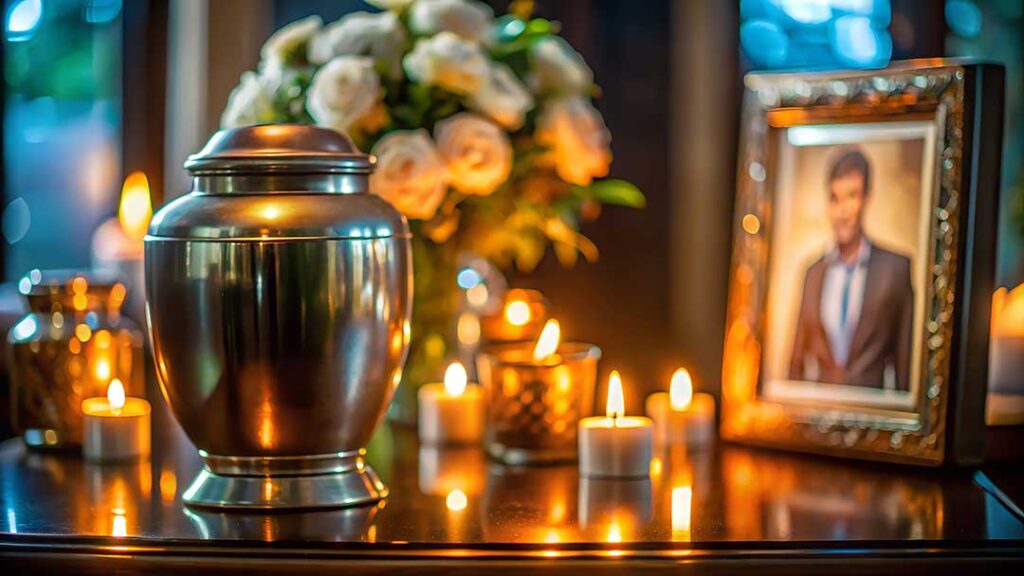
A memorial service is held after the body has been buried or cremated, or when the family chooses not to have the body present. An urn may be displayed, but it is not necessary.
Memorial services are often more flexible than traditional funerals. They may take place days, weeks, or months after death, which can help families coordinate travel, arrange a meaningful location, or wait for seasonal conditions to improve.
In Bremerton, weather can affect outdoor gatherings, transportation, and cemetery visits. Rain, wind, and changing daylight may make an indoor location more practical during certain times of year. Families planning an outdoor remembrance should consider shelter, seating, accessibility, and a backup plan.
What is direct burial?
Direct burial means the body is buried without a public funeral or viewing beforehand. There may still be a private family gathering at the graveside, either immediately or later.
This option may appeal to families who want a simple arrangement, prefer privacy, or plan to hold a separate memorial service. It can also allow relatives to participate in remembrance without organizing a large ceremony.
A graveside service may include a short prayer, a reading, a few words from a family member, or a period of silence. A small gathering can be deeply personal even when it is brief.
What is direct cremation?
Direct cremation generally means cremation takes place without a public viewing or formal ceremony beforehand. Families may hold a memorial service later, keep the urn at home for a period of time, or plan a private scattering or interment where allowed.
Direct cremation is not the same as having no ceremony. A separate gathering can be arranged at any time and can take many forms, including:
- A family meal with shared stories
- A religious service held after cremation
- A graveside or niche-side committal
- A gathering at home with photographs and music
- A private outdoor remembrance
Cremated remains may be placed in an urn, buried, placed in a cemetery space, or scattered in a location where permission and applicable rules allow. Families should confirm local requirements before scattering on public land, near waterways, or on property that is not privately owned.
How do religious and cultural funerals differ?
Religious and cultural traditions may influence the timing, preparation, clothing, prayers, music, food, burial method, and role of family members. Some traditions call for burial within a particular period. Others include special washing, vigil, chanting, or ceremonies that continue for several days.
The family may also want the service conducted in a particular language or led by a faith leader, elder, or cultural guide. Funeral planning is easier when these wishes are discussed early and written down clearly.
A service can combine customary practices with practical needs. For example, a family may follow a religious ceremony while choosing a smaller gathering because relatives are spread out or household schedules make a large event difficult.
What is a secular or nonreligious funeral?
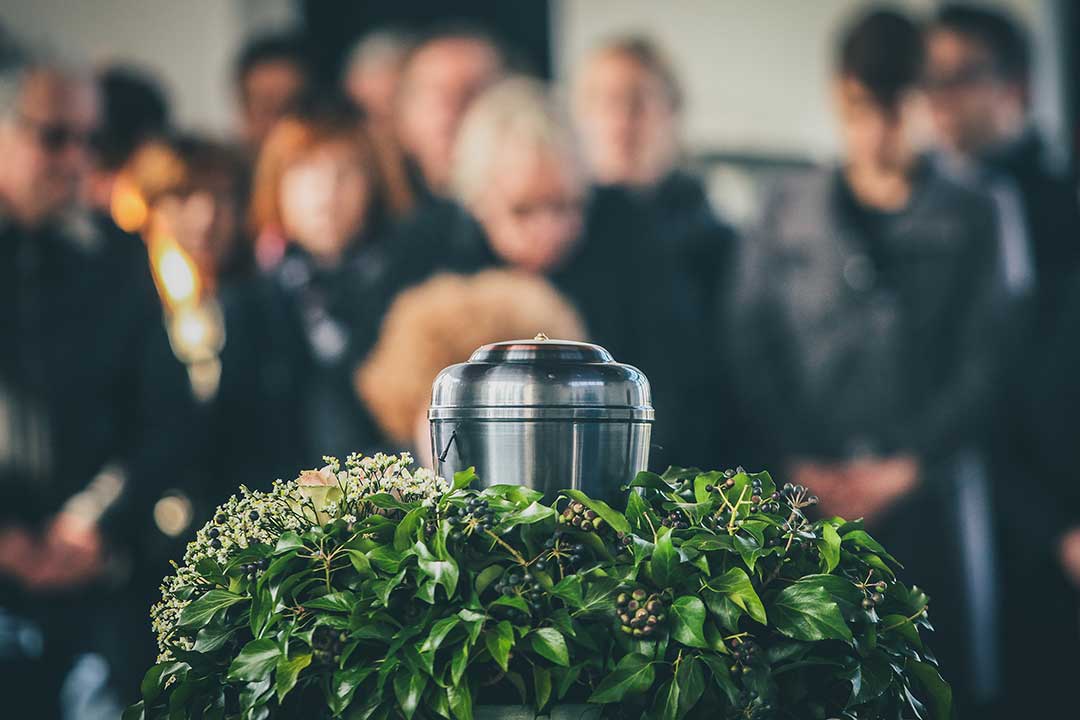
A secular funeral does not rely on religious beliefs or clergy. It can still be formal, reflective, and meaningful.
A nonreligious ceremony may include:
- A welcome and explanation of the gathering
- A biography or life story
- Personal memories from relatives and friends
- Favorite music, poetry, or readings
- A moment of silence
- A closing statement or shared ritual
Some families use nature, photographs, artwork, recipes, letters, or recorded messages to reflect the person’s life. The absence of religious language does not mean the service has to be casual or without structure.
Can a funeral be small, private, or held at home?
Yes. A private funeral may include only immediate relatives or a few close friends. Some families arrange a private ceremony first and hold a larger public memorial later.
Home gatherings can feel comfortable and familiar, particularly when the person lived in the same home for many years. Practical issues may include seating, parking, mobility access, weather protection, household capacity, and emotional readiness.
For gatherings involving candles, outdoor fires, heavy equipment, or large numbers of people, safety and local rules should be considered. In a compact home or neighborhood setting, a modest gathering may be easier to manage than a large event.
How should a family choose among the options?
Start with the person’s known wishes, including written instructions, conversations, religious beliefs, or cultural practices. Then consider the family’s practical circumstances.
Useful questions include:
- Does the family want to see the body?
- Is a formal ceremony comforting or stressful?
- Should the service happen immediately or later?
- Will relatives need time to travel?
- Is burial or cremation preferred?
- Does the gathering need to accommodate children, older adults, or people with limited mobility?
- Are there outdoor, seasonal, or transportation concerns?
- Would a private service followed by a later memorial be easier?
A funeral service does not need to be elaborate to be meaningful. The essential purpose is to acknowledge the death, remember the person, support those who are grieving, and provide a setting for farewell. Families in the local community may choose a formal ceremony, a quiet graveside gathering, a memorial held later, or no public service at all. Each can be a valid expression of care and remembrance.