
 See My Latest Article on HelloNation
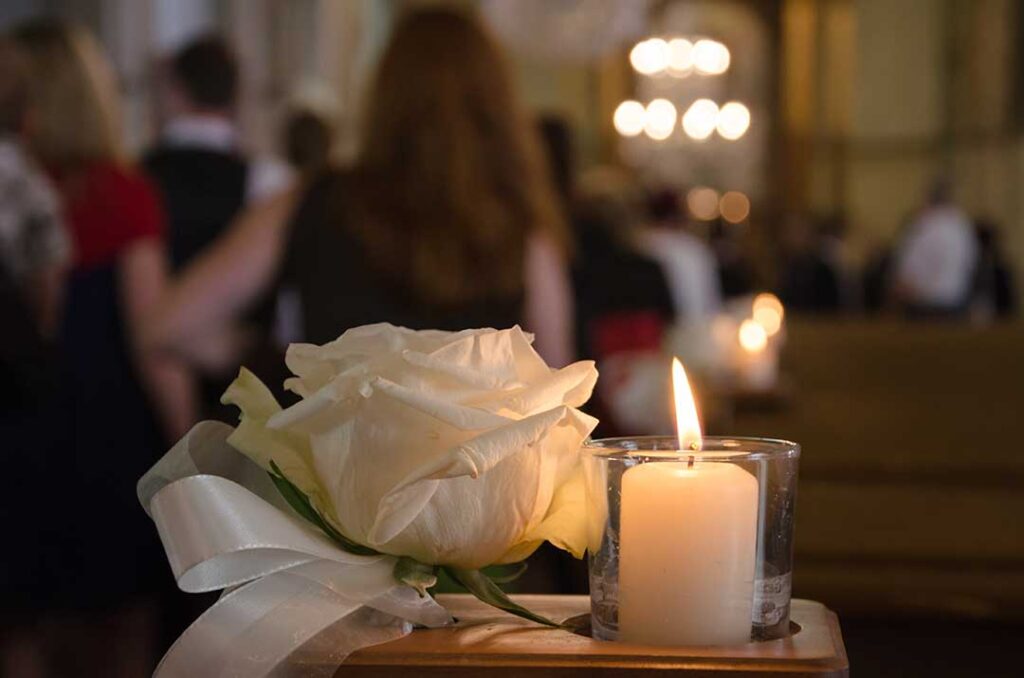
Grief affects the mind, body, relationships, and daily routines. Ritual can help people move through that disruption by giving loss a visible place in family and community life. A funeral, memorial gathering, moment of silence, shared meal, religious service, or private act of remembrance can provide structure when ordinary routines no longer feel familiar.
What role does ritual play in grief?
Ritual gives people a way to acknowledge that someone has died and that life has changed. It can create a clear transition between the time before the death and the period of mourning that follows.
Ritual may help by:
- Making the death real for family members and friends
- Providing a shared setting for tears, stories, silence, prayer, or music
- Giving people specific actions to perform when they feel helpless
- Recognizing the importance of the person who died
- Showing mourners that they do not have to grieve entirely alone
These benefits do not mean a ritual removes pain. Grief usually continues after the ceremony. Ritual is better understood as a support structure: it can help people begin to face the loss, express what the person meant, and identify the changes that follow.
Why can a funeral or memorial service be helpful?
A funeral or memorial service brings private grief into a shared space. People may hear stories they did not know, see the effect of the loss on others, and receive emotional support without having to explain every feeling.
The gathering also confirms the death in a social and practical way. Relatives, neighbors, coworkers, and friends may understand more clearly that the bereaved person needs patience and support. For children, a simple and honest ceremony can help explain why adults are upset and why routines have changed.
A service does not have to follow a traditional format. Some families choose formal religious elements, while others prefer readings, music, photographs, personal stories, or a quiet gathering. The meaning comes from the care and intention behind the acts, not from how elaborate they are.
How do rituals help when grief feels disorganized?
Grief often affects concentration, sleep, appetite, memory, and the ability to make decisions. A ceremony creates a sequence of events: people gather, acknowledge the death, remember the person, and separate with an understanding that mourning will continue.
This structure can be especially useful during the first days after a death, when families may be managing paperwork, communication, household changes, and difficult decisions. A familiar pattern can reduce the feeling that everything is happening at once.
Rituals after the service can provide similar support. Examples include lighting a candle at a regular time, visiting a meaningful place, preparing a family recipe, keeping a photograph nearby, or setting aside a particular day each year for remembrance.
Are rituals only religious?
No. Rituals can be religious, spiritual, cultural, secular, or entirely personal. A family may combine several traditions or create a new practice that reflects the person who died.
A nonreligious remembrance might include:
- Sharing memories around a table
- Playing music associated with the person
- Reading letters or poems
- Displaying photographs and personal objects
- Planting or caring for a tree or garden
- Taking a walk in a place the person enjoyed
- Inviting people to write memories in a keepsake book
A ritual does not need formal language or a designated leader. Repetition, symbolism, and shared attention are often enough to make an action meaningful.
What if family members want different kinds of rituals?
Different preferences are common. One person may want a large gathering, while another may prefer privacy. A relative may find comfort in religious language, while someone else may not.
Families can make room for more than one form of remembrance. A private viewing, a brief gathering at home, a later memorial, and an individual act of remembrance can all serve different needs. Participation should be invited rather than forced.
It is also reasonable for someone to step away from part of a ceremony or to observe quietly. Grief is personal, and attendance does not measure the depth of love or loss.
How can children participate?
Children often benefit from being included in age-appropriate ways. Adults can explain what will happen using clear language and avoid confusing phrases that may make death seem temporary or mysterious.
A child might:
- Draw a picture or write a note
- Choose a song, flower, or photograph
- Share a short memory
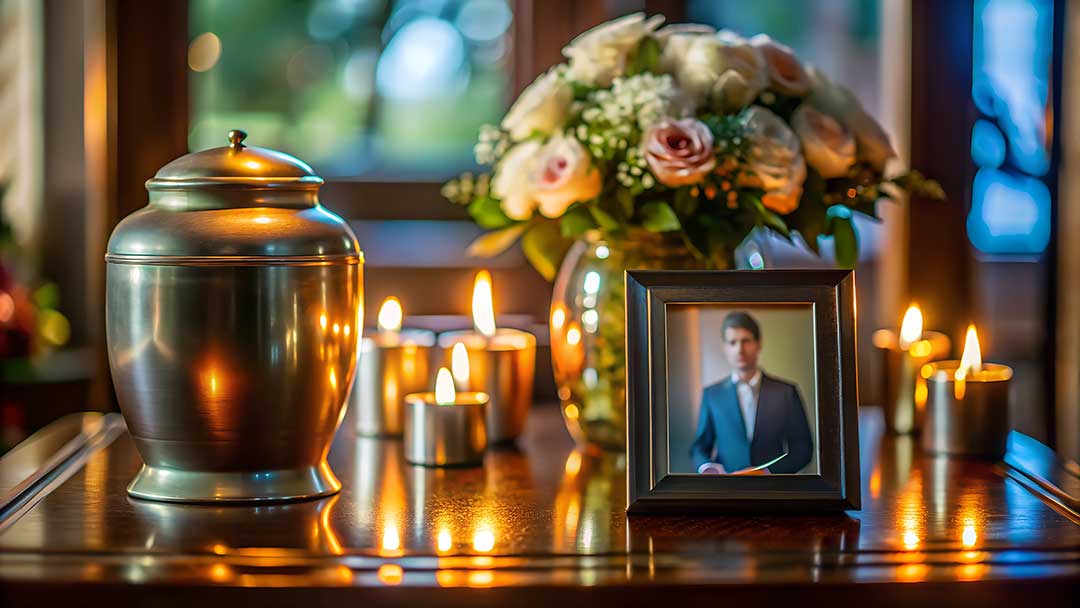
- Place a meaningful object near a memorial display
- Attend only part of a service
- Ask questions before, during, or after the gathering
Children should be told that they may feel sad, confused, restless, or even unaffected at different times. Their responses can change quickly. A trusted adult can remain nearby and provide an opportunity to leave if the setting becomes overwhelming.
How does local life shape mourning rituals?
In Bremerton, WA, families may be spread across different neighborhoods, housing arrangements, work schedules, and transportation routines. Some relatives may live nearby, while others need time to travel or participate remotely. These practical circumstances can affect the timing, size, and setting of a gathering.
Weather and seasonal conditions may also influence plans. Outdoor remembrance may be meaningful during mild weather but difficult during periods of heavy rain, wind, or limited daylight. Indoor gatherings, flexible arrival times, and simple clothing guidance can make participation easier for older adults, children, and people with mobility concerns.
Households in the area may also balance mourning with work, school, ferry-dependent travel, caregiving, and other responsibilities. A ritual can be meaningful without requiring everyone to attend at the same time or remain together for several hours.
Can rituals help months or years after a death?
Yes. Grief often changes rather than follows a straight path. Anniversaries, birthdays, holidays, and familiar places may bring renewed sadness. A repeated ritual can acknowledge those moments without requiring a large event.
A family might prepare the person’s favorite meal, visit a cemetery or meaningful location, tell stories with younger relatives, or spend time listening to music. Some people prefer a quiet personal ritual, such as writing in a journal or speaking privately to the person who died.
These practices do not mean someone is unable to move forward. Remembering and adapting can happen at the same time.
What if a ritual makes grief harder?
A ritual may feel uncomfortable if it conflicts with a person’s beliefs, family history, privacy needs, or relationship with the person who died. Conflict among relatives can also make a gathering stressful.
There is no requirement that every person experience a ceremony as healing. Someone may need a smaller setting, less public participation, different language, or more time before taking part. A ritual should support honesty and dignity rather than create pressure to perform grief in a particular way.
If sadness, fear, numbness, or distress remains overwhelming and interferes with basic daily functioning, additional emotional support may be appropriate. Ritual can accompany grieving, but it cannot replace every form of care a person may need.
What makes a remembrance meaningful?
Meaning usually comes from connection. The most helpful rituals reflect the person’s values, relationships, personality, culture, or ordinary habits. A simple act may carry more meaning than an elaborate event if it feels genuine.
Useful questions include:
- What did this person care about?
- Who needs to be included?
- What would make participation easier?
- Which traditions feel supportive, and which do not?
- How can the person be remembered after the formal gathering?
Ritual gives grief a language of action. By gathering, remembering, listening, and marking change, people create a way to carry the relationship forward while learning to live with the reality of the loss.